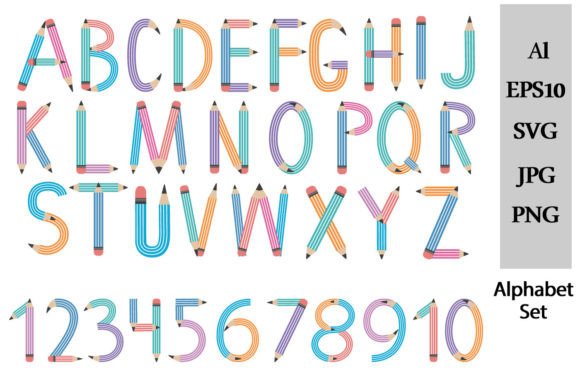
Alphabet, Letters, and Numbers: A Creative Resource for School Education
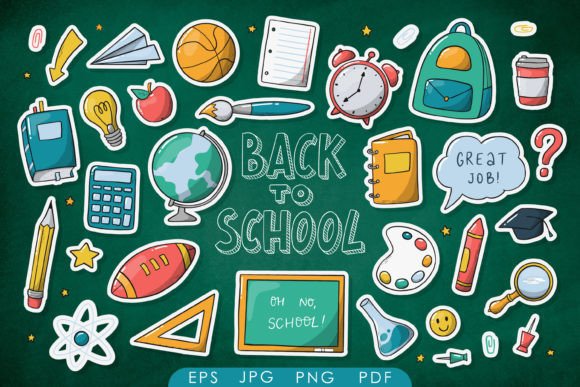
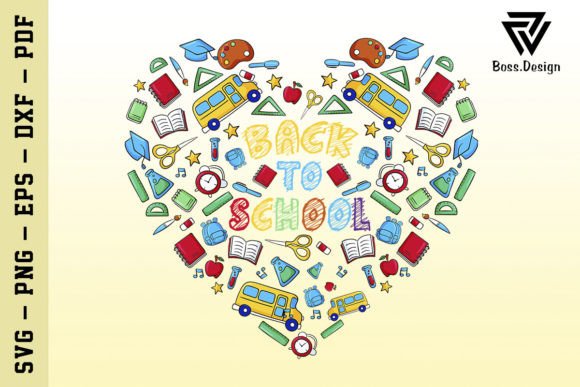
In the world of education, especially during the back-to-school season, visual elements play a crucial role in engaging students and enhancing learning experiences. Alphabet and number sets, whether in the form of SVG graphics or clipart from pencils, offer versatile tools that can be used in various educational contexts. These resources are not only functional but also serve as decorative elements for postcards, albums, and banners. This article explores the significance of these digital assets, their practical applications, and how they contribute to modern learning environments.
The Importance of Visual Learning Tools
Visual learning is a powerful method that helps children grasp concepts more effectively. When it come to teaching the alphabet and numbers, using colorful and engaging visuals can make the learning process enjoyable and memorable. Digital files such as SVGs (Scalable Vector Graphics) allow educators and parents to create custom materials that cater to different learning styles. Whether you're designing a classroom poster or crafting a personalized notebook, having access to high-quality, ready-to-use letters and numbers can save time and enhance creativity.
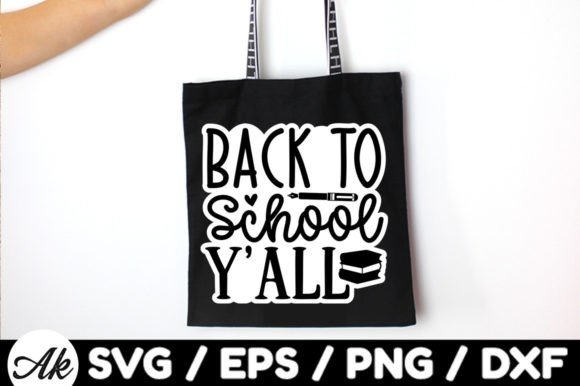
These digital assets are often provided in multiple formats, including AI (Adobe Illustrator), EPS (Encapsulated PostScript), SVG, JPG, and PNG. Each format has its own advantages, making it easy to adapt the designs for different purposes. For instance, SVG files are ideal for scalable graphics that maintain clarity at any size, while PNG and JPG formats are perfect for web use or printing.
Understanding the Features of Digital Alphabet and Number Sets
A typical digital set may include one colored alphabet, ten numbers on separate mounting areas, and 26 individual letters on a dedicated artboard. These files are usually organized into a zip pack, ensuring that all necessary components are easily accessible. The dimensions of these files are often set at 500 x 500 pixels with a resolution of 300 dpi, which guarantees high-quality output suitable for both digital and print media.
The color mode for these files is typically RGB (Red, Green, Blue), which is ideal for screen display. However, users should be aware that colors may appear differently depending on their monitor or printer settings. This variation is a common issue with digital products and does not affect the quality of the design itself.
Once purchased, the files are delivered via email, allowing for instant download. Since this is a digital product, no physical items are sent. This makes it an eco-friendly and convenient option for educators, parents, and creators who need quick access to educational resources.
How to Use These Resources in Educational Settings
One of the most significant benefits of these digital assets is their versatility. They can be used in a variety of ways to support learning and creativity. Here are some practical examples:
- Classroom Decorations: Teachers can use these letters and numbers to create eye-catching bulletin boards, wall charts, and learning centers. The vibrant colors and clear fonts help keep students engaged and focused.
- Interactive Learning Materials: Digital files can be incorporated into interactive lessons, such as flashcards, matching games, and alphabet activities. These tools make learning fun and interactive, encouraging active participation from students.
- Personalized Learning Tools: Parents and educators can customize these resources to suit the needs of individual learners. For example, a child struggling with letter recognition can benefit from a set of large, colorful letters that are easy to identify.
- Art Projects and Crafts: These assets can be used as inspiration for art projects, such as creating name tags, number charts, or decorative banners. Students can practice their fine motor skills while exploring their creativity.
The Role of Digital Files in Modern Education
In today's technology-driven world, digital resources have become essential in education. The availability of high-quality, downloadable files like SVGs and clipart provides a cost-effective and efficient way to enhance teaching and learning. These resources are particularly valuable for remote learning, where traditional materials may be limited.
Moreover, the ability to modify and customize these files allows educators to tailor their teaching methods to the specific needs of their students. Whether it's adjusting the size of letters for younger children or changing the color scheme to match a classroom theme, digital assets offer flexibility that traditional materials often lack.
Common Misconceptions About Digital Educational Resources
Despite their many benefits, there are some common misconceptions about digital educational resources. One such misconception is that they replace traditional teaching methods. In reality, digital tools are meant to complement and enhance existing practices, not replace them. They provide additional support and engagement, making the learning experience more dynamic and inclusive.
Another misunderstanding is that digital files are difficult to use. However, with the right software and guidance, even those with minimal technical skills can easily access and modify these resources. Many platforms offer user-friendly interfaces that simplify the process of working with digital assets.
Choosing the Right Digital Resources for Your Needs
When selecting digital alphabet and number sets, it's important to consider your specific requirements. For example, if you're looking for a set that includes a wide range of fonts and styles, you may want to choose a package that offers multiple options. On the other hand, if you need a simple and straightforward set for classroom use, a basic package may be sufficient.
Additionally, it's essential to verify the compatibility of the files with your preferred software. Most digital assets are designed to work with popular programs like Adobe Illustrator, Photoshop, and Inkscape. However, it's always a good idea to check the specifications before making a purchase.
Conclusion
Alphabet, letters, and numbers are fundamental elements of education, and digital resources like SVGs and clipart provide a valuable tool for teachers, parents, and students. These assets not only support learning but also add a creative and decorative touch to various projects. Whether you're preparing for the back-to-school season or looking for ways to enhance your classroom environment, these digital files offer a flexible and effective solution.
By understanding the features, benefits, and practical applications of these resources, you can make informed decisions that support your educational goals. With the right tools, learning becomes more engaging, and creativity flourishes. So, take advantage of these digital assets and unlock new possibilities for your students and yourself.